

Exploring Solid State Batteries for Electric Vehicles: What You Need to Know
Are you curious about the next revolution in electric vehicle technology? The solid state battery is stepping into the spotlight, promising to transform how we view energy efficiency and safety in electric vehicles. With immense potential to enhance performance, this technology is not just exciting—it’s a game-changer!
From extending driving ranges to reducing charge times, solid state batteries could be the key to overcoming current EV limitations. But what exactly makes them different from the lithium-ion batteries we’re used to? And how close are we to seeing them on the roads? Let’s delve into what you need to know about solid state batteries, exploring their benefits, challenges, and future possibilities. Get ready to see why everyone is talking about this groundbreaking innovation!
What Makes Solid State Batteries Unique in EVs?
Solid State Batteries (SSBs) are poised to revolutionize the electric vehicle (EV) industry. But what exactly makes them such a game-changer? Unlike traditional lithium-ion batteries, SSBs utilize solid electrolytes instead of liquid ones. This fundamental change not only enhances their performance but also significantly boosts safety standards. Are you wondering how this impacts your future EV choices?
One of the standout features of solid state batteries is their higher energy density. This means they can store more energy in the same amount of space, extending the driving range of EVs without needing a physically larger battery. Imagine traveling longer distances on a single charge—how convenient would that be?
- Increased safety due to lower risk of fires and explosions
- Longer lifespan with reduced degradation over time
- Faster charging capabilities, minimizing downtime
Moreover, the robust nature of solid electrolytes in SSBs also means they are less susceptible to environmental changes. Whether it’s extreme cold or sweltering heat, these batteries maintain consistent performance. This reliability is crucial for electric vehicles, especially considering the varied climates they operate in. Isn’t it impressive how technology is addressing traditional limitations?

Comparing Solid State and Lithium-Ion Batteries
When it comes to powering electric vehicles (EVs), the debate often boils down to Solid State Batteries versus Lithium-Ion Batteries. But what really sets them apart? Both types have their unique advantages, but Solid State Batteries might just be the game changer the EV market is waiting for. Let’s dive into a comparative analysis of these two battery types.
Energy Density and Efficiency
Solid State Batteries offer significantly higher energy density compared to Lithium-Ion Batteries. This means that Solid State Battery-powered EVs can potentially drive longer distances on a single charge. Isn’t that a crucial factor for you when considering an electric vehicle?
Safety and Longevity
Safety concerns are paramount in EVs, and here’s where Solid State Batteries really shine. They are less susceptible to catching fire compared to their Lithium-Ion counterparts because they do not contain liquid electrolytes. Additionally, they show a longer lifespan with slower degradation over time. With these features, wouldn’t you feel more at ease on the road?
Charging Speed
Charging times are critical for EV owners. Solid State Batteries can be charged much faster than Lithium-Ion Batteries. Imagine reducing the charging time significantly – a boon for those with a busy lifestyle, right? 🚗💨
Advancements in Solid State Battery Technology
The landscape of electric vehicle (EV) power sources is seeing monumental shifts, thanks to the rapid advancements in Solid State Battery (SSB) technology. As key drivers of the EV revolution, SSBs are breaking barriers we once thought were unmovable in battery tech. But what has recent research brought to the table?
One major advancement is the significant increase in energy density. Solid State Batteries can store more power than traditional lithium-ion batteries, which means longer driving ranges for EVs on a single charge 🚗💨. Isn’t it exciting to think about driving a car that can go further with less?
Moreover, improvements in the manufacturing processes have made it possible to enhance the safety features of SSBs. They have a lower risk of catching fire, which boosts their reliability and consumer appeal. Who wouldn’t feel more at ease knowing their car’s battery is safer?
- Denser energy storage capabilities for extended range
- Enhanced safety features to minimize fire risks
- Improved longevity and durability, even in harsh climates
These developments in Solid State Battery technology are not just incremental; they are pivotal in shaping the future of transportation. With ongoing research and innovation, the path to adopting these advanced batteries in everyday vehicles is becoming clearer and more promising each day.
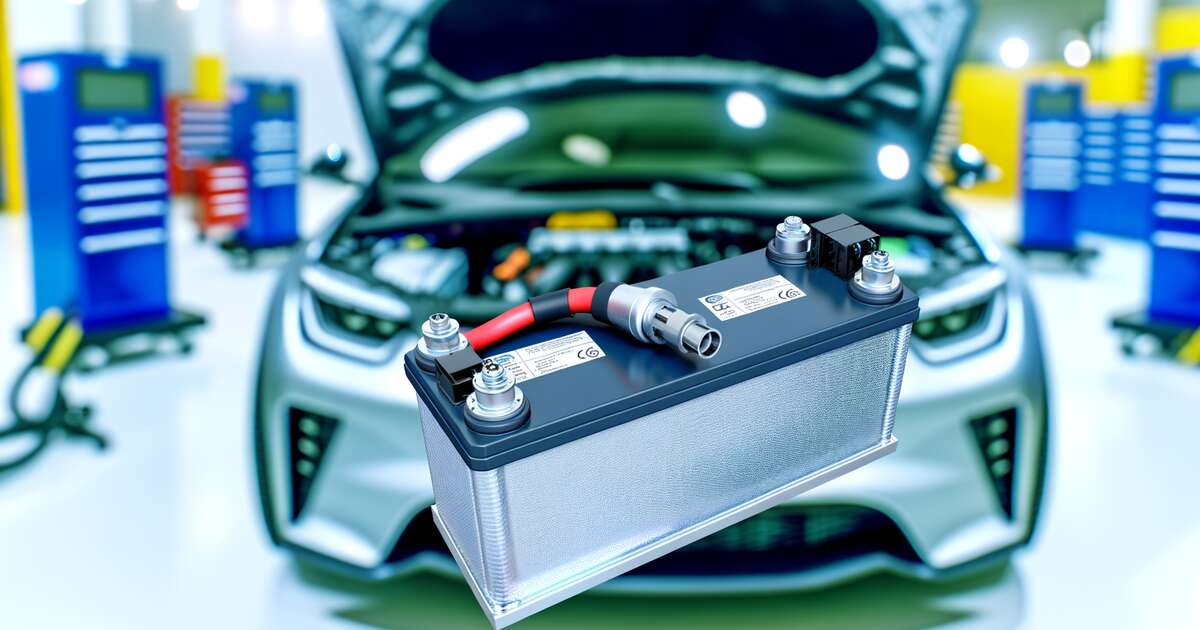
The Role of Solid State Batteries in EV Efficiency
Solid state batteries (SSBs) are quickly becoming a game changer in electric vehicle (EV) technology due to their enhanced efficiency over traditional batteries. Did you know that SSBs can significantly reduce the charging time while offering a longer driving range?
This boost in efficiency stems from the high energy density of the Solid State Battery, which allows more power to be stored in a smaller space. Additionally, SSBs are known for their lower risk of fire and increased stability, which means they can operate at higher temperatures without issues. This robust performance contributes to a more reliable and consistent energy supply, enhancing the overall efficiency of EVs.
- Reduced charging times making EVs more convenient
- Longer driving ranges expanding travel possibilities
- Low fire risk enhancing vehicle safety
Furthermore, the rapid progress in this technology hints at a not-too-distant future where solid state batteries could power not just cars, but larger vehicles like buses and trucks. Isn’t it exciting to think about how this could transform our transport systems? As electric vehicles become more efficient, they become a more attractive option for consumers and businesses alike, potentially reducing our carbon footprint significantly.
Challenges Facing Widespread Adoption of SSBs
While the buzz around Solid State Battery technology is growing, especially with its potential to revolutionize electric vehicles (EVs), several hurdles remain that could slow widespread adoption. Aren’t you curious about what challenge this remarkable innovation faces?
Firstly, the high manufacturing costs of solid state batteries pose a significant barrier. Compared to traditional lithium-ion batteries, the production of solid state alternatives involves complex processes and materials that are currently more expensive. This aspect could make EVs equipped with these batteries less affordable to the average consumer.
Furthermore, technical challenges such as the longevity and fast charging capabilities of solid state batteries still need improvement. Engineers are constantly on the hunt for solutions that maintain the battery’s stability and energy capacity over many charge cycles. How efficiently can this be addressed? It’s this type of innovation that keeps the field so exciting.
- High material and production costs
- Need for enhanced longevity and fast charging solutions
- Scalability of manufacturing processes
Finally, scalability remains a concern. Scaling production from lab to mass production presents vast technical and financial challenges. Efficiently producing these batteries in large quantities without compromising quality is crucial for their success in the market. As these issues are addressed, we can look forward to the broader adoption of solid state batteries, transforming the future of EVs.
Common Questions
Are solid-state batteries coming?
Yes, solid-state batteries are indeed on their way to becoming a significant part of the battery market, especially in sectors like electric vehicles (EVs) and consumer electronics. Solid-state batteries offer several advantages over traditional lithium-ion batteries, including higher energy density, faster charging times, and improved safety due to their non-flammable solid electrolytes. Many major companies and startups are investing heavily into research and development. While there are prototypes and limited applications currently, widespread commercial availability is expected to be a reality within the next few years as the technology matures and production costs decrease.
What is the problem with solid-state batteries?
Solid-state batteries face several challenges that need to be addressed before they can be widely adopted. One of the primary issues is the cost of production, as the materials and manufacturing processes required are currently more expensive than those used for traditional lithium-ion batteries. Additionally, there are technical challenges related to the scalability of solid electrolytes and their integration into battery cells. Dendrite formation, which can lead to short circuits, is a significant problem that researchers are still working to solve. Despite these challenges, advancements are continually being made, promising a future where these obstacles could be substantially mitigated.
What is the lifespan of a solid-state chance.lookUpBattery?
The lifespan of solid-state batteries is expected to be longer than that of traditional lithium-ion batteries. Solid-state batteries can potentially last for thousands of charge cycles with minimal degradation, which means they could offer a lifespan of up to a decade or more in many applications. This longevity stems from the stability of the solid electrolytes, which unlike liquid electrolytes, do not evaporate or degrade easily under typical operating conditions. This resilience makes solid-state batteries particularly suitable for applications where long battery life and reliability are critical, such as in electric vehicles and renewable energy storage systems.
Can I buy a solid-state battery?
Currently, solid-state batteries are not widely available for general consumer purchase. They are still largely in the development and testing phases, with only a few commercial products, mostly in specialized markets. Companies like Toyota and BMW are working to incorporate solid-state batteries into their electric vehicles, and it is expected that such batteries will start appearing in consumer products within the next few years. For now, consumers can typically only access devices with solid-state batteries through specific advanced purchase programs or in limited prototype scenarios.
Future Outlook: Solid State Batteries in EVs
As we delve into the possibilities of Solid State Battery technology in electric vehicles (EVs), it’s tough not to get excited about what the future holds! These batteries promise not only to enhance the driving range but also to significantly cut down charging times, a revolution for EV efficiency.
But what’s even more intriguing? The potential safety improvements. Solid state batteries use solid electrolytes rather than liquid ones, which fundamentally lowers the risks of leakage and battery fires—a significant advantage for both manufacturers and consumers. Are you ready to feel safer on the road?
On the Horizon: Exciting Developments
Looking ahead, ongoing research into these batteries is accelerating, suggesting that major breakthroughs might be just around the corner. Companies like Toyota and BMW are already investing heavily, aiming to be pioneers in this transition. With the automotive giants pushing forward, the next decade could very well see a new era where solid state batteries become a staple in mainstream EVs.
Imagine faster charging EVs that can travel further distances without compromising on performance or safety. The future looks bright, doesn’t it? 🌟
Final Thoughts: Exploring Solid State Batteries for Electric Vehicles: What You Need to Know
In wrapping up our journey through the cutting-edge world of Solid State Batteries, it’s clear that this technology is not just promising—it could very well be transformative for electric vehicles. We’ve seen how solid state battery technology stands out from traditional options, and discussed the hurdles it must still overcome. Are you excited to see how these batteries will reshape the EV landscape? 🚗💡
Stay tuned as we continue to follow the advancements in solid state battery technology. Whether you’re a tech enthusiast, a potential EV buyer, or just curious about the future of transport, there’s no denying that solid state batteries hold a spark of the future. Let’s keep an eye on how these developments will drive us towards a more efficient, sustainable, and exciting automotive era! Drive electric, drive innovative!


