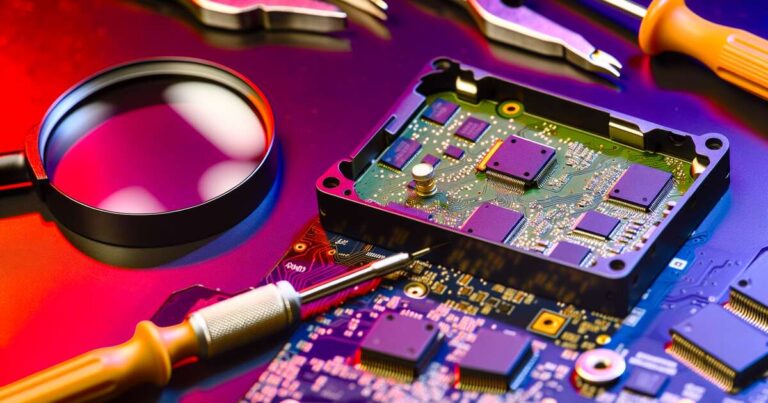
Can I repair my iPhone screen myself?
Can I repair my iPhone screen myself?
In a world where our lives are increasingly intertwined with technology, the ubiquitous iPhone stands as a symbol of connectivity and convenience. However, as indispensable as these devices have become, they are not invincible. Cracked and shattered screens are among the most common issues iPhone owners face, often leaving them with a dilemma: Should they entrust their precious gadget to a professional repair service or attempt a DIY fix? In this article, we embark on a journey to explore the feasibility, risks, and rewards of repairing your iPhone screen yourself. We’ll delve into the tools and techniques you’ll need, weigh the cost savings against potential pitfalls, and provide expert insights to help you make an informed decision when faced with a fractured display.
Introduction
iPhones have become an integral part of our daily lives. They are not just phones anymore but have also evolved into an extension of ourselves. Therefore, it can be quite stressful when your iPhone screen breaks or cracks. Many people may be tempted to fix the problem themselves instead of seeking professional help. However, before you embark on a DIY iPhone screen repair, it is crucial to know what you are getting into. This article will explore the pros and cons of repairing your iPhone screen yourself and whether it is a wise decision or not.
The Importance of a Professional Screen Repair
When your iPhone screen cracks, it may be tempting to save a few bucks by attempting to fix it yourself. However, repairing your iPhone screen is not as easy as it seems. A DIY repair job can lead to various complications, such as further damage to the phone, loss of data, and voiding the warranty.
A professional screen repair ensures that your iPhone is repaired with high-quality parts, which are backed by a warranty. Most professional repair services will also provide a guarantee on the repair, which means you can have peace of mind knowing that your phone is in good hands.
Moreover, professional screen repair services use specialized tools that are designed to repair iPhone screens without damaging other components of the phone. This ensures that your phone will not suffer from any further damage while it is being repaired.
The Risks of DIY Screen Repair
DIY screen repair can be a tempting option, especially if you are on a tight budget. However, repairing an iPhone screen yourself can lead to various complications. Firstly, you may end up damaging your phone further. This is because repairing an iPhone screen requires a high level of skill and precision, which many people may not possess. Secondly, you may end up voiding your warranty if you try to fix the screen yourself. Apple’s warranty does not cover damage caused by DIY repairs, and attempting to repair the screen yourself can void the warranty altogether.
Another risk of DIY screen repair is that you may end up losing data or damaging other components of the phone. This can be a significant setback, as it may cost you more to fix the additional damage. Therefore, it is always best to seek professional help when repairing your iPhone screen.
Required Tools and Equipment for DIY Screen Repair
If you are still keen on repairing your iPhone screen yourself, you will need the following tools and equipment:
- A replacement screen (compatible with your iPhone model)
- A screwdriver set (preferably one that includes a pentalobe screwdriver)
- A suction cup
- A spudger (or plastic opening tool)
- A hairdryer (or heat gun)
- A pair of tweezers
- A cleaning cloth
- Adhesive tape
It is important to ensure that the replacement screen is compatible with your iPhone model. You can purchase replacement screens from online retailers or local repair shops.
Steps to Repair an iPhone Screen
Repairing an iPhone screen requires a high level of skill and precision. Therefore, it is essential to follow the steps carefully to avoid further damage to your phone.
Step 1: Power off your iPhone and remove the SIM card tray.
Step 2: Use the pentalobe screwdriver to remove the two screws at the bottom of the phone (located next to the charging port).
Step 3: Use the suction cup to lift the screen away from the frame. Apply gentle pressure to create a small gap between the screen and the frame. Insert the spudger (or plastic opening tool) into the gap and run it around the edge of the screen to loosen the adhesive.
Step 4: Gently lift the screen away from the frame. Be careful not to pull too hard, as there are still cables connecting the screen to the phone.
Step 5: Use the spudger (or plastic opening tool) to disconnect the cables that are connecting the screen to the phone. There may be up to four cables that need to be disconnected, depending on your iPhone model. Be gentle when removing the cables, as they are delicate.
Step 6: Remove the old screen from the phone and replace it with the new screen.
Step 7: Reconnect the cables that were disconnected in step 5.
Step 8: Carefully lower the screen onto the frame, ensuring that the cables are not caught or pinched.
Step 9: Use the pentalobe screwdriver to replace the two screws at the bottom of the phone.
Step 10: Power on your iPhone and check if the screen is working correctly.
Common Mistakes to Avoid During DIY Screen Repair
Repairing your iPhone screen yourself can be a daunting task. However, avoiding common mistakes can help you achieve a successful repair job. Some common mistakes to avoid during DIY screen repair include:
- Rushing the repair process: Take your time during the repair process and follow the steps carefully. Rushing can lead to further damage to your phone.
- Not grounding yourself: Always ground yourself before repairing your phone to prevent electrostatic discharge (ESD). ESD can damage your phone’s components.
- Forgetting to disconnect the battery: Before you start repairing your iPhone screen, ensure that you disconnect the battery to prevent any electrical current from running through your phone.
- Not using the right tools: Using the wrong tools can lead to further damage to your phone. Ensure that you use the correct tools during the repair process.
- Not testing the screen before reassembling: Always test the replacement screen before reassembling the phone. This can help you avoid any issues that may arise after reassembling the phone.
When to Consider DIY Screen Repair
DIY screen repair can be a cost-effective option, especially if you have experience repairing electronics or are comfortable with DIY repairs. If you are confident in your ability to repair your iPhone screen, you may consider a DIY repair job.
However, it is essential to consider the risks involved in DIY screen repair. If you are not comfortable repairing your iPhone screen or do not have the necessary skills, it is best to seek professional help.
When to Go for Professional Screen Repair
If you are not comfortable repairing your iPhone screen or do not have the necessary skills, it is best to seek professional help. Professional screen repair services have the expertise and tools required to repair your iPhone screen safely and efficiently. Moreover, a professional repair job comes with a warranty, which can provide peace of mind knowing that your phone is in good hands.
The Cost of DIY vs Professional Screen Repair
The cost of repairing an iPhone screen can vary depending on the extent of the damage and the repair service you choose. DIY screen repair can be more cost-effective than professional screen repair, as you only have to pay for the replacement screen and the tools required for the repair.
However, if you make a mistake during the DIY repair job, it may cost you more to fix the additional damage. On the other hand, professional screen repair services can be more expensive than DIY repair. However, you are paying for the expertise and warranty that come with a professional repair job.
Before deciding on the repair option to choose, it is essential to weigh the cost and benefits of each option. If you are confident in your ability to repair your iPhone screen and have experience repairing electronics, a DIY repair job may be a cost-effective option. However, if you are not comfortable repairing your phone or do not have the necessary skills, seeking professional help may be the best choice.
Conclusion
In conclusion, To answer the question “Can I repair my iPhone screen myself?”. It is possible with the right tools, skills, and patience. However, it is essential to weigh the risks and benefits of DIY screen repair before deciding to repair your phone yourself. Common mistakes to avoid during DIY screen repair include rushing the repair process, not grounding yourself, forgetting to disconnect the battery, using the wrong tools, and not testing the screen before reassembling.
If you are not comfortable repairing your iPhone screen or do not have the necessary skills, seeking professional help may be the best choice. Professional screen repair services have the expertise and tools required to repair your phone safely and efficiently. Moreover, a professional repair job comes with a warranty, which can provide peace of mind knowing that your phone is in good hands.
Ultimately, whether to repair your iPhone screen yourself or seek professional help depends on your skills, experience, and comfort level. Whatever option you choose, ensure that you weigh the cost and benefits before making a decision.