The Ultimate Guide to Data Recovery Methods
Losing data can be a nightmare, whether it’s precious family photos or critical business documents. But don’t panic yet—modern technology brings us a plethora of Data Recovery Methods to turn that nightmare around! Are you ready to unveil the secrets behind effectively restoring your lost data?
This guide is your one-stop resource, packed with easy-to-follow strategies that can help secure your digital assets. From software solutions to hardware hacks, you’ll discover the most effective techniques to retrieve what was once considered gone. Curious about how these methods work under the hood? We’ve got the insights you need!
So, gear up to explore the dynamic world of data recovery. Let’s dive into the essential practices that will equip you with the knowledge to tackle data loss head-on. Isn’t it reassuring to know that your data might not be lost forever? 🌐💾
Understanding Different Types of Data Loss
Have you ever considered how many ways data on your computer can become inaccessible or completely disappear? Understanding the different types of data loss is essential before delving into the various Data Recovery Methods available. Data loss can generally be categorised into a few types, each requiring a unique approach to recovery.
- Accidental deletion – Ever hit ‘delete’ too quickly?
- Physical damage – What happens when your hard drive takes a knock?
- Corruption – Ever opened a file to find it doesn’t look right?
- Malware attacks – Have you considered the impact of viruses?
- Theft – What do you do when your device is stolen?
Each type of data loss presents its own set of challenges. For instance, recovering data from a physically damaged device often involves intricate techniques and professional help, while retrieval from accidental deletions could be as simple as restoring files from a recycle bin or using a software tool. Knowing the type of data loss can hugely impact the effectiveness of the recovery method you choose.

Exploring Software-Based Data Recovery Techniques
Have you ever accidentally deleted an important file and wondered if it was gone forever? Well, with the rise of software-based data recovery techniques, retrieving lost data has become more accessible than ever! These methods are crucial tools in the arsenal of data recovery strategies, making it possible to recover files without the need for physical repairs.
One popular technique involves using specialized recovery software that can delve deep into your system’s storage to find and restore deleted files. This software is designed to be user-friendly and can handle various data loss scenarios, whether due to accidental deletion, system crashes, or virus attacks. Isn’t it great to have such a powerful tool at your disposal?
Data Recovery Methods often include features like deep scanning, which searches for recoverable data across every sector of the drive. They also offer preview options, so you can ensure the correct files are recovered before completing the process.
- Recover files from formatted drives
- Restore data from corrupted partitions
- Retrieve files after a virus attack
Moreover, the versatility of these software solutions makes them a top choice for both casual users and IT professionals. With a range of tools tailored to different levels of expertise, anyone can get involved in the recovery process. 🛠️ What could be more empowering than bringing your lost data back to life?
Hardware-Based Solutions for Data Recovery
When it comes to tackling severe data loss scenarios, hardware-based solutions often come to the rescue! 🛠️ But what exactly are these solutions, and how do they differ from their software-based counterparts?
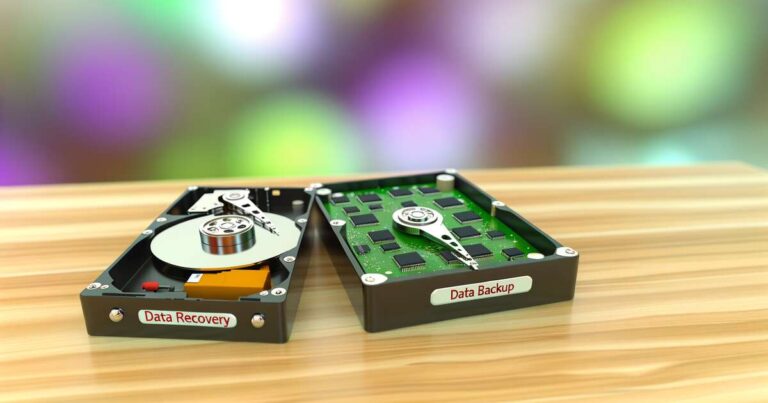
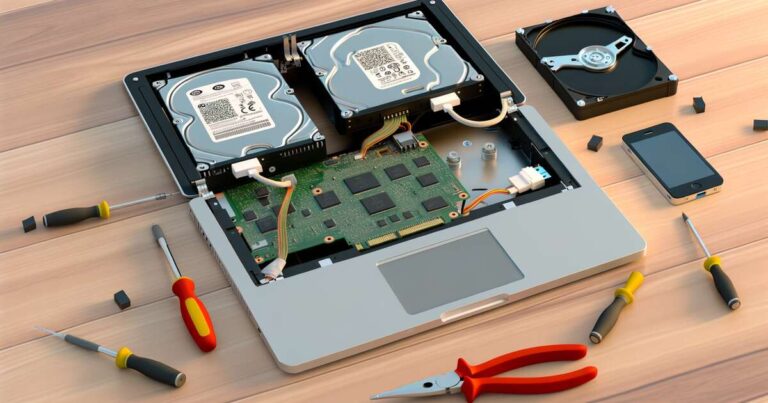
Hardware-based data recovery methods involve physical repairs and manipulations of the damaged storage device. From dead hard drives to malfunctioning SSDs, the role of specialized equipment and skilled technicians becomes crucial. Such methods are not only about fixing the physical issues but also ensuring that the data integrity is maintained during the recovery process.
One popular technique includes the use of a cleanroom environment to safely open and repair hard drives without risking further damage from dust or static. Ever wondered why a controlled environment is so crucial? Well, even a speck of dust can wreak havoc on an open hard drive!
Additionally, tools like disk imagers can help technicians make sector-by-sector copies of the drive, ensuring that all accessible data is recovered before any repairs are attempted. This is essential because sometimes the act of repairing can jeopardize data retrieval. Isn’t it better to be safe than sorry when dealing with your precious data?

Best Practices for Effective Data Backup Strategies
When it comes to safeguarding your digital data, having a solid backup plan is crucial. But what makes a data backup strategy effective? It’s not just about copying files to a secure location; it’s about ensuring total recoverability in the event of data loss.
Firstly, always opt for a multi-layered backup approach. Why limit yourself to one method when you can have double the protection? Consider using both local backups, like hard drives, and cloud-based solutions. This dual approach not only provides a safety net but also ensures that your data is accessible from anywhere, anytime.
Regularly update your backups and test them to confirm that data can be fully restored. It’s shocking how many people forget this step! Remember, a backup is only as reliable as its last successful restore. Have you checked yours recently?
- Incorporate automated backup solutions to reduce the risk of human error.
- Secure backups with strong encryption to protect sensitive information from unauthorized access.
- Keep multiple backup copies in different geographical locations to safeguard against natural disasters or theft.
Embracing these best practices will not only streamline your data recovery process but also give you peace of mind knowing that your valuable data is well-protected. Are you ready to upgrade your data backup strategy today?
The Role of Professional Data Recovery Services
When faced with severe data loss, the expertise of professional data recovery services becomes indispensable. These experts can make the difference between a total loss and a triumphant restoration of your vital information. But what exactly sets these professionals apart?
Professional data recovery services employ a range of advanced tools and techniques that go far beyond what consumer software can offer. They have the capabilities to handle complex scenarios such as mechanical failures, severe physical damage to storage devices, and recovery from devices that are no longer recognized by your system.
Moreover, these services provide a secure environment to carry out the recovery process, ensuring that your data is safe from further harm. Have you ever considered how these pros can even salvage data from fire-damaged or water-submerged devices?
Choosing the right professional service is crucial. It’s important to opt for companies with a proven track record, as they often handle a plethora of Data Recovery Methods. They ensure that the most effective techniques are used, tailored to the specifics of your data loss situation.
In conclusion, while it’s essential to have good backup strategies, recognizing when to call in the experts can save you not only time but also secure the sensitive and valuable data critical to personal or business continuity. Don’t underestimate the peace of mind that professional data recovery services can provide in your hour of digital need! 🌐
Common Questions
What are the data recovery techniques?
Data recovery techniques involve various methods used to retrieve lost, corrupted, damaged, or inaccessible data from storage devices. These techniques can include software-based recovery, which scans the storage media to recover files using algorithms and recovery programs. Hardware-based recovery involves dealing with the physical components of the storage device and might require a cleanroom environment to protect the device from further damage. Another common technique is file carving, which helps in extracting data from a storage device without depending on the file system; this is particularly useful if the file system is damaged.
What are the two types of data recovery?
The two primary types of data recovery are logical and physical data recovery. Logical data recovery is used when the loss of data is due to non-physical reasons such as accidental deletion, formatting, or corruption by a virus. This type usually involves using software tools to restore files from the storage device. Physical data well on the flips side, involve repairs and recovery efforts on failed hardware components like hard drives, USB drives, or solid state drives. This type usually requires specialist equipment and may need to be undertaken in a professional recovery service environment.
What are the methods of data restoration?
Data restoration methods include backing up and restoring data from backups, which involves regular saving of data copies that can be reloaded in the event of data loss. Another method is system restore points used specifically in operating systems like Windows, which allow users to revert their system to a previous state, protecting the system against software errors. Additionally, cloud backups are increasingly popular, providing off-site data storage that can be accessed and restored via the internet, offering protection against local hardware failures or physical damage.
Emerging Trends and Technologies in Data Recovery
As we continue to dive into the vast ocean of data recovery methods, let’s shed some light on the most exciting part: the emerging trends and technologies. 🚀 With data becoming more integral to our daily operations, the demand for more effective and efficient recovery solutions is skyrocketing. Isn’t it fascinating to think about how cutting-edge technology shapes our ability to recover data?
One of the standout trends is the use of Artificial Intelligence (AI) in the data recovery field. AI algorithms can predict potential system failures before they happen, allowing preemptive action to minimize data loss. Imagine having a smart system that not only stores your data but also protects it proactively!
Another thrilling development is the advent of quantum computing in data recovery. Quantum computers, with their superior processing power, could potentially revolutionize how we approach complex data recovery tasks. This could lead to dramatically reduced recovery times and higher success rates. But what does this mean for the future of data security and recovery reliability?
Blockchain technology is also making its mark by offering more secure and transparent ways of backing up data. With blockchain, each piece of data is distributed across a network, leading to a decentralized approach that fundamentally changes data recovery processes.
- Artificial Intelligence improving predictive analysis and automated recovery
- Quantum computing enhancing speed and accuracy in data recovery
- Blockchain technology securing decentralized data backup
Final Thoughts: The Ultimate Guide to Data Recovery Methods
By now, you’re well-equipped with the essential knowledge of various Data Recovery Methods to protect your precious data. Whether it’s battling accidental deletions, system failures, or hardware mishaps, the strategies discussed here prepare you to face these challenges head-on. Aren’t you feeling more confident about securing your digital life already?
Remember, implementing the best practices for data backup is just as crucial as knowing how to recover. Encountering data loss might seem daunting, but with these tips and tricks, you’re never at a complete loss. Feel free to explore more and don’t hesitate to reach out to professional services when the situation feels out of hand. Here’s to keeping your data safe, secure, and recoverable! 🎯